What COP31 Can Learn from Mediterranean Marine Protection
How community-led marine protection in Türkiye can help mitigate global warming and foster climate resilience.
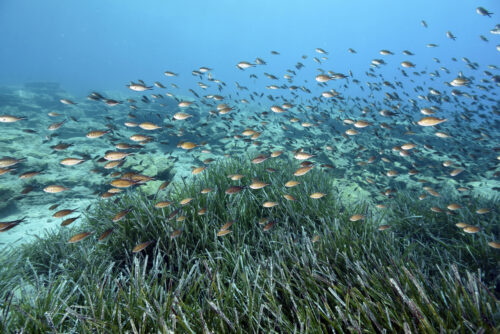
Global biodiversity and climate targets are distinct yet interrelated. As climate delegates assemble in Antalya, Türkiye, for the UN Climate Change Conference (COP31), they are debating how to reduce carbon emissions, but they are unlikely to discuss the role of marine life as a solution, instead of as a victim.
The role of victim has been well established: marine life suffers because of ocean warming and acidification, a consequence of our carbon pollution. Studies show that higher ocean temperatures reduce productivity in tropical and subtropical seas and force species to migrate to higher latitudes so they can encounter temperatures that their physiology can tolerate. Corals, sponges, shellfish and other marine organisms die during marine heatwaves. These and other stressors in turn affect people whose livelihoods depend on a healthy ocean, especially in the fisheries and tourism sectors. The fewer fish in the water, the fewer the economic benefits for coastal communities.
But there is a tool that has been undervalued by climate experts: marine protected areas (MPAs), where fishing and other damaging activities are banned so marine life can thrive. MPAs benefit marine life and people, and can buffer the impacts of global warming. COP31 delegates could learn from a Turkish MPA, not far from COP31.
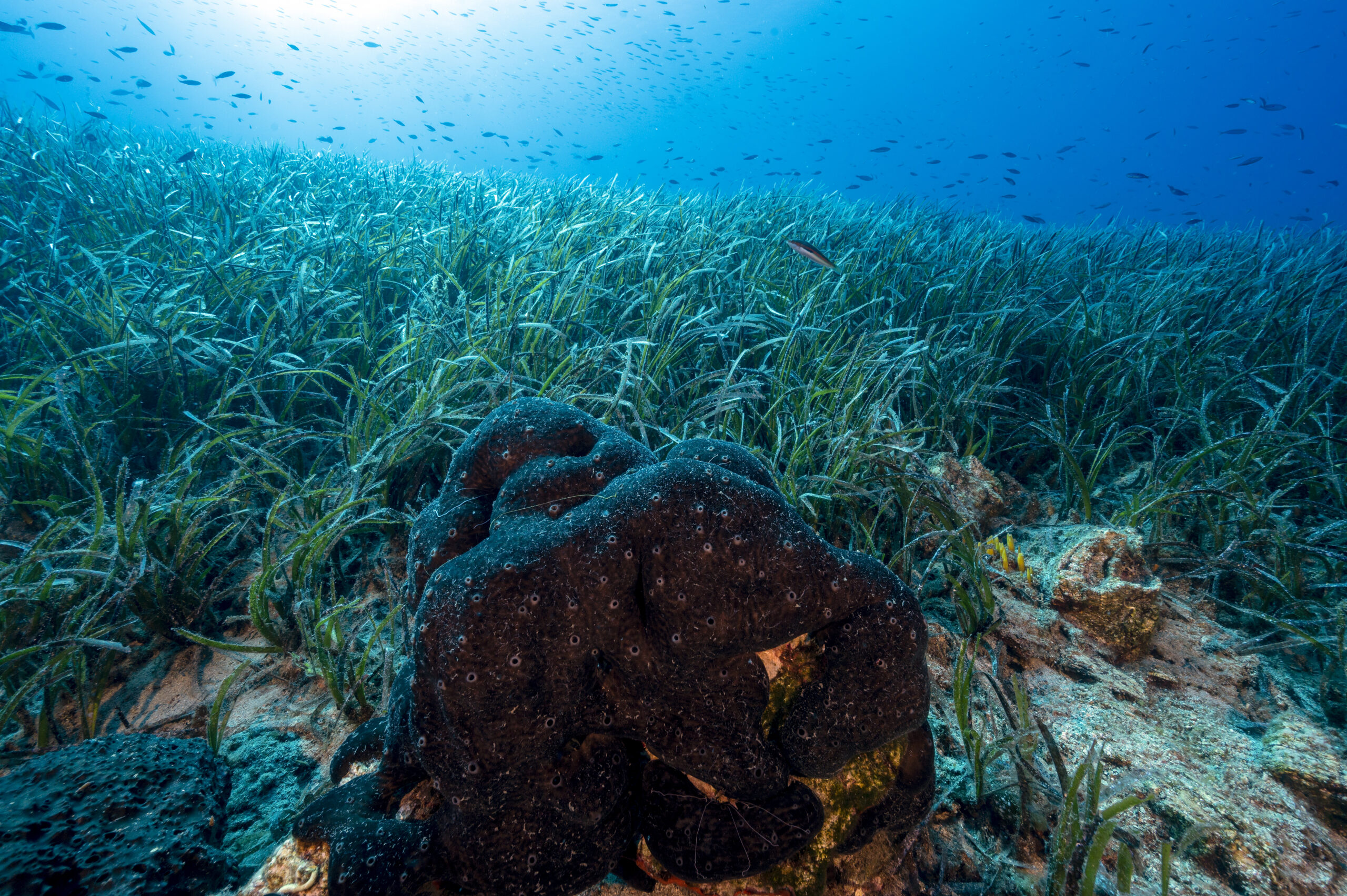
The Mediterranean is one of the world’s most heavily overfished seas on Earth. And it’s warming fast, with a consequent decline in fish biomass. If that weren’t enough, bottom trawling continues to raze the continental shelves of Mediterranean nations, degrading ecosystems and releasing enormous amounts of carbon dioxide by disturbing the seafloor and the carbon in it.
In addition, the Mediterranean is now home to hundreds of alien marine species, many of which – such as the lionfish, rabbitfish and pufferfish – came from the Red Sea via the Suez Canal. These species have caused havoc in the eastern Mediterranean, displacing local species, turning native algal forests into barrens, and disrupting local fishing, which now mostly catches species with little commercial value. The combination of overfishing, global warming and invasive species is a triple punch that is undermining Mediterranean native marine life that supports coastal livelihoods.
In 2008, a study found that Gökova Bay had the lowest biomass of coastal fish in the Mediterranean. When Gökova Bay’s fisheries faced total collapse in 2009, wiping out commercial species and local incomes, the Mediterranean Conservation Foundation (MCF) – led by Goldman Environmental Prize winner Zafer Kızılkaya – partnered with local fishers, scientists, and government bodies to establish Türkiye’s first network of no-take MPAs. The MPAs in Gökova Bay are five no-take areas surrounded by a larger zone where bottom trawling is banned.
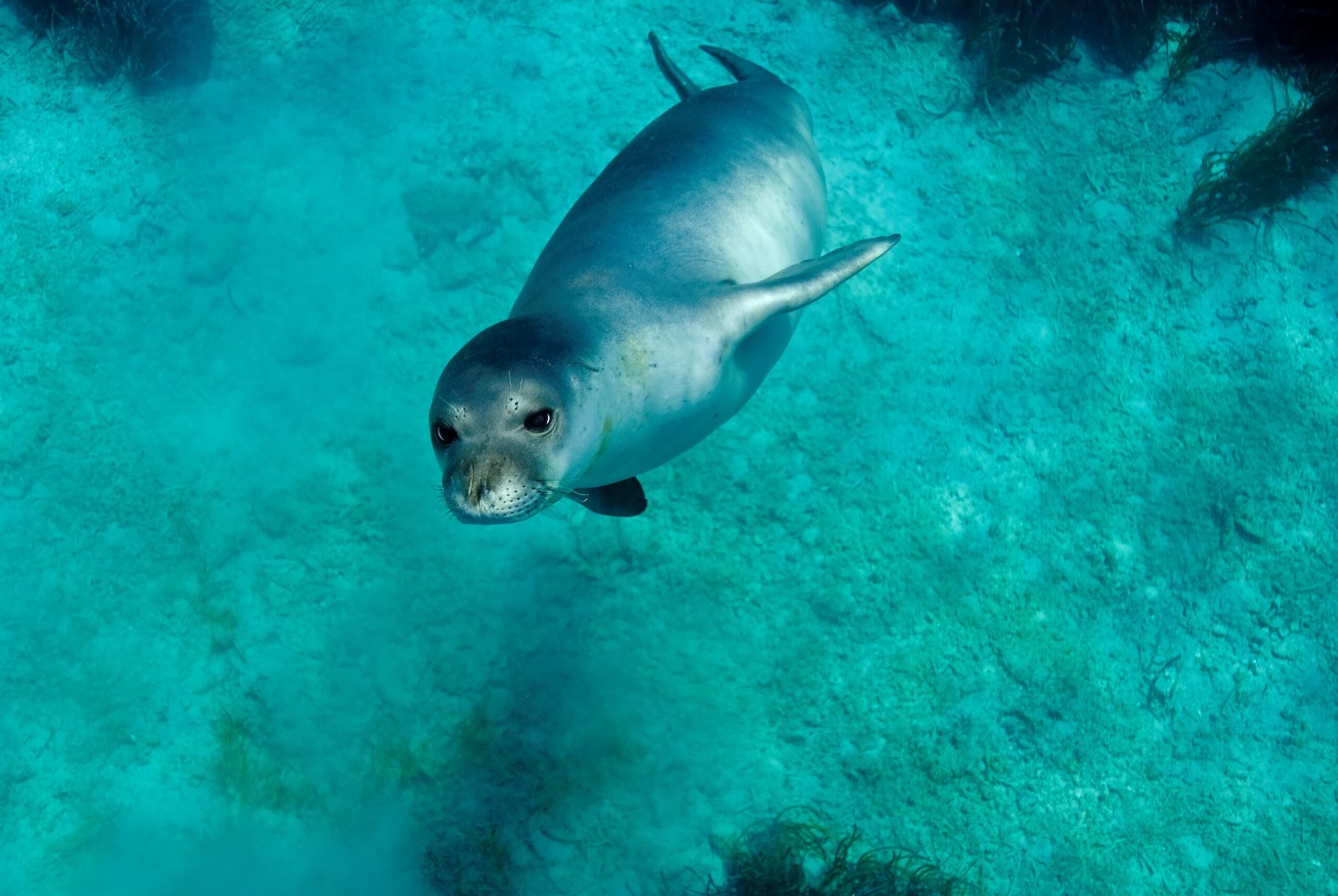
The goal of the MPAs was to restore marine life and try to resuscitate local fisheries. The biological turnaround of the MPAs was rapid. Over five years, fish biomass and habitat quality recovered enough for apex predators to return, including breeding sandbar sharks and the endangered Mediterranean monk seal.
But the MPAs did more than that. First, they fostered climate resilience in local fisheries. A study found that, even though rising seawater temperatures are associated with lower fish biomass across the Mediterranean, no-take MPAs maintain higher fish biomass across the temperature range. Because larger fish biomass in MPAs leads to greater fish spillover, the Gökova Bay MPAs buffer the impacts of ocean warming on fisheries. Fish biomass within the no-take zones in Gökova Bay increased substantially, driving a 300% rise in income for local small-scale fishers in only four years.
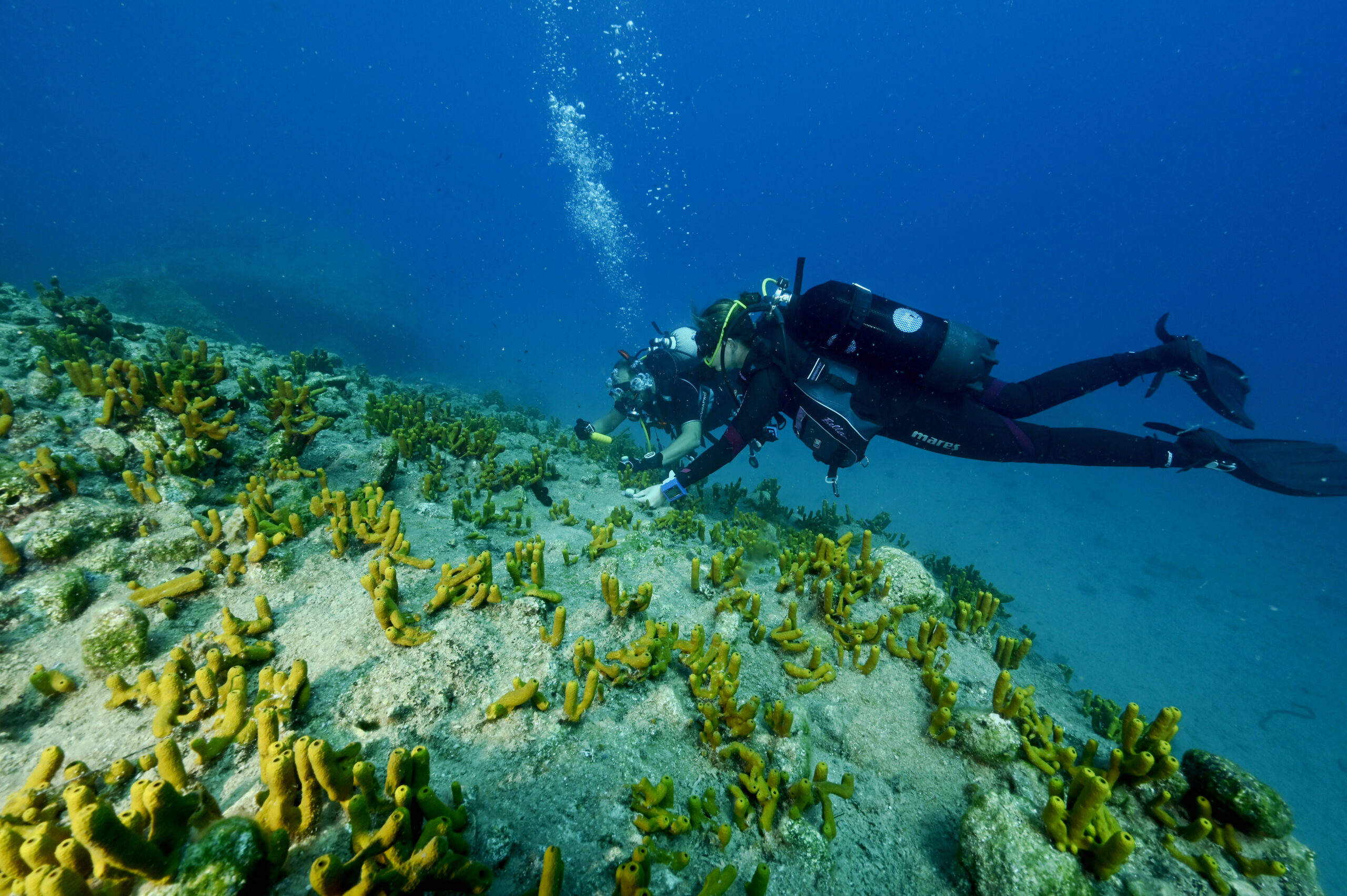
Second, protection buffered the impact of invasive species from the Red Sea. As local predators such as groupers recovered in no-take areas, they reduced the abundance of invasive species, which then became prey. As a matter of fact, the abundance of invasive fish in the Gökova Bay MPAs is now lower than in unprotected areas on the Turkish coast.
Third, protection helps mitigate global warming. Banning bottom trawling in the larger MPA reduces carbon dioxide emissions because it prevents further disturbance of carbon buried in the seafloor. As long as the previous bottom trawling effort in the area is not relocated elsewhere, significant carbon emissions will be avoided. Additionally, the absence of destructive bottom trawling helps improve catches for small-scale fishers in the area.
Fully protected, community-managed MPAs like those in Gökova Bay safeguard the natural capital that coastal livelihoods depend upon, while helping mitigate the impacts of global warming and increasing climate resilience. These benefits translate into jobs and higher incomes for local people.
Ocean protection should be a key tool discussed at climate COPs, and delegates should:
- Push for increased funding to locally-managed protected areas:International climate and conservation capital must flow to community-based MPA management and enforcement, where it produces immediate results on the water.
- Prioritize Real Protection: National policies must prioritize fully protected, no-take MPAs that provide the greatest benefits to people, marine life and climate.
- Make Bottom Trawling Accountable: Nations must include the carbon dioxide emissions from bottom trawling’s disturbance of the seafloor’s sediment carbon, and aim to avoid emissions and finance conservation measures via carbon credits.

Mediterranean Conservation Foundation (Akdeniz Koruma Derneği) is the Revive Our Ocean lead in Türkiye. They are dedicated to protecting Türkiye’s marine and coastal ecosystems, with Gökova Bay at the heart of their efforts. Here, they pioneered the country’s first community-managed no-take zones, transforming depleted waters into thriving marine sanctuaries.
By working closely with local fishers and conservationists, they have helped restore fish stocks, protect critical habitats, and promote sustainable livelihoods that benefit both people and nature.